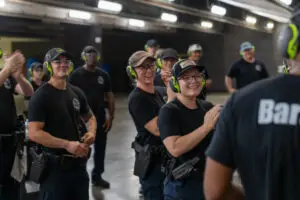
Why are more young professionals choosing law enforcement careers rooted in connection, service, and trust? Across the country, and especially in Fort Worth, community-focused policing is reshaping what it means to wear the badge. This approach is not only strengthening public safety but also attracting a new generation of officers who want meaningful work, real relationships, and a lasting impact.
Today’s recruits are motivated by purpose as much as profession. They want careers that align with their values, offer personal growth, and allow them to serve people, not just enforce laws. Community-focused policing delivers exactly that.
What Community-Focused Policing Really Means
Community-focused policing centers on partnerships, prevention, and presence. Officers are encouraged to build relationships with residents, business owners, and community leaders before problems arise. Instead of only responding to calls for service, officers actively engage with neighborhoods to understand concerns, identify solutions, and foster trust.
In Fort Worth, this approach shows up every day. Officers regularly interact with residents near Sundance Square, attend neighborhood meetings around the Tanglewood area, and work closely with families near schools along Camp Bowie Boulevard. These consistent interactions help officers see the people behind the calls and allow the community to see officers as partners.
This model shifts policing from reactive to proactive, and that shift resonates strongly with younger generations.
Why the Next Generation Is Paying Attention
Millennials and Gen Z candidates are purpose-driven. They want careers that matter and workplaces that reflect their values. Community-focused policing appeals to them because it emphasizes service, empathy, and collaboration.
Many new recruits grew up volunteering, participating in community organizations, or advocating for causes they believe in. Policing that prioritizes communication and relationship-building feels like a natural extension of that mindset. They are not just joining a department. They are joining a mission.
In Fort Worth, recruits often cite the ability to work directly with neighborhoods near Trinity Park or engage with youth programs in the Stop Six community as reasons they feel connected to the city even before they graduate the academy.
Trust and Transparency Are Career Motivators
A major reason community-focused policing attracts new officers is trust. Younger candidates want to work for organizations that value transparency, accountability, and ethical leadership.
Departments that emphasize open communication with the public also tend to foster open communication internally. Officers feel supported, heard, and respected. That culture matters when choosing a long-term career.
Fort Worth’s emphasis on community engagement, training, and professional standards creates an environment where officers can grow while maintaining public trust. That balance is increasingly important to recruits who want to be proud of both their badge and their department.
Training That Reflects Real World Policing
Modern policing requires more than tactical skills. Community-focused departments train officers in communication, de-escalation, cultural awareness, and problem-solving.
Recruits want to be prepared for real conversations, not just real confrontations. Training scenarios often reflect situations officers will encounter in everyday settings like neighborhood disputes, traffic concerns near Chisholm Trail Parkway, or community events around Panther Island.
This type of preparation builds confidence and competence. It also reassures recruits that they are entering a profession that values judgment and humanity alongside enforcement.
Strong Community Ties Lead to Job Satisfaction
Job satisfaction is a major factor in career choice and retention. Officers who feel connected to the communities they serve report higher levels of fulfillment and lower burnout.
When officers know the shop owners, parents, and students in their patrol areas, the work becomes personal in a positive way. Seeing the impact of their efforts reinforces why they chose the profession in the first place.
In Fort Worth, officers often talk about the pride that comes from serving neighborhoods they live in, shop in, or drive through daily. Whether it is helping families near Lake Worth or working community events near the Stockyards, that sense of belonging makes the career more rewarding.
Career Growth Through Community Engagement
Community-focused policing does not limit career growth. It expands it. Officers who excel at building relationships often find opportunities in specialized units, leadership roles, and community outreach positions.
Younger officers see a clear path to advancement that does not require leaving their values behind. Skills like communication, collaboration, and problem-solving are recognized as leadership strengths.
Departments that prioritize community engagement also tend to invest heavily in ongoing training and professional development. That commitment signals long-term career potential, which is a key consideration for new recruits.
Technology and Innovation Support the Mission
Today’s recruits are tech-savvy and forward-thinking. Community-focused policing often integrates technology to enhance transparency and effectiveness.
Tools like data-driven policing strategies, real-time crime centers, and digital communication platforms help officers stay informed and responsive. These tools also support proactive engagement by identifying trends and allowing officers to address issues before they escalate.
In a growing city like Fort Worth, innovation helps officers serve efficiently while staying connected to the people they protect.
A Career That Aligns With Modern Values
At its core, community-focused policing aligns law enforcement with modern values. Service, respect, collaboration, and accountability are not just ideals. They are daily practices.
For a new generation seeking meaningful work, this alignment matters. They want careers where they can make a difference without compromising who they are. Community-focused policing offers that balance.
It allows officers to be guardians as well as protectors, listeners as well as leaders.
Why Fort Worth Stands Out
Fort Worth exemplifies how community-focused policing can thrive in a large, fast-growing city while maintaining a strong sense of connection. Officers benefit from big-city resources and hometown relationships.
From engaging with residents near Magnolia Avenue to supporting youth programs in Como, Fort Worth officers experience firsthand how community trust strengthens public safety.
This environment attracts candidates who want both opportunity and purpose.
The Future of Policing Is Community Driven
Community-focused policing is not a trend. It is the future of law enforcement. As public safety challenges evolve, so do the expectations placed on officers.
The next generation is ready for that responsibility. They are stepping forward because they see policing as a way to serve, connect, and lead.
For those considering a law enforcement career, community-focused policing offers a path that is both impactful and fulfilling. In Fort Worth and beyond, it is drawing in officers who want to make a difference where it matters most, right in the neighborhoods they serve.